
The Best UNESCO World Heritage Sights in Barcelona
Barcelona is one of the few cities in the world where art, architecture, and urban life coexist. Among its many treasures, a collection of UNESCO World Heritage Sites stands out, not only for their beauty but also for their cultural and historical significance. In total, nine sites in the city have received UNESCO recognition, and impressively, seven of them are the visionary creations of Antoni Gaudí. UNESCO (United Nations Educational, Scientific and Cultural Organisation) designates World Heritage Sites to protect places of outstanding cultural or natural importance to humanity. In Barcelona, these landmarks are more than just tourist attractions; they’re living pieces of history, creativity, and innovation. Let’s take a closer look at the most iconic UNESCO sites you should explore on your next trip to this vibrant Mediterranean city.
1. La Sagrada Familia
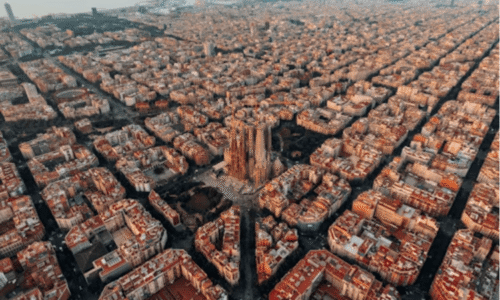
Although often referred to as Gaudí’s masterpiece, not all parts of the Sagrada Familia are UNESCO-listed. Only the Nativity Façade and the crypt have received official recognition, declared a World Heritage Site in 2005.
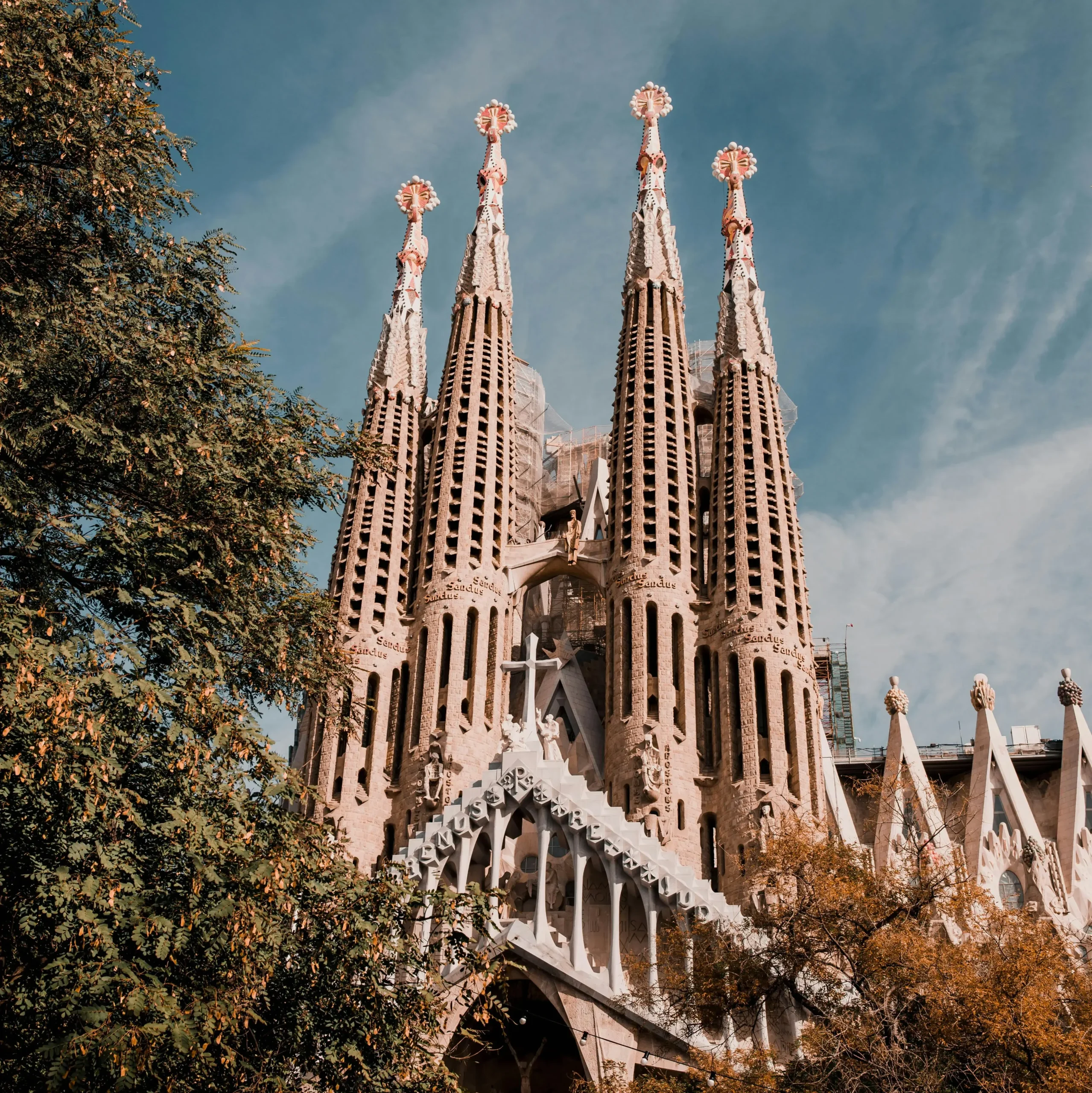
Construction began in 1882 and continues to this day, making it one of the longest-running architectural projects in modern history. Gaudí’s unique style is evident in every curve, figure, and stained-glass window. Despite being unfinished, the basilica draws millions of visitors each year and has become the ultimate symbol of Barcelona.
Ticket price: From €26 (general), €30–€39 with tower access or guided tour
Location: Calle de Mallorca 401
2. Casa Batlló
Located on the luxurious Passeig de Gràcia, Casa Batlló is one of Gaudí’s most imaginative works. Built between 1904 and 1905, this building is an explosion of colour, shape, and symbolism, with a façade that resembles a skeleton’s bones and scales. It became a UNESCO World Heritage Site in 2005 and remains one of the most photogenic buildings in the city, inside and out of the building.
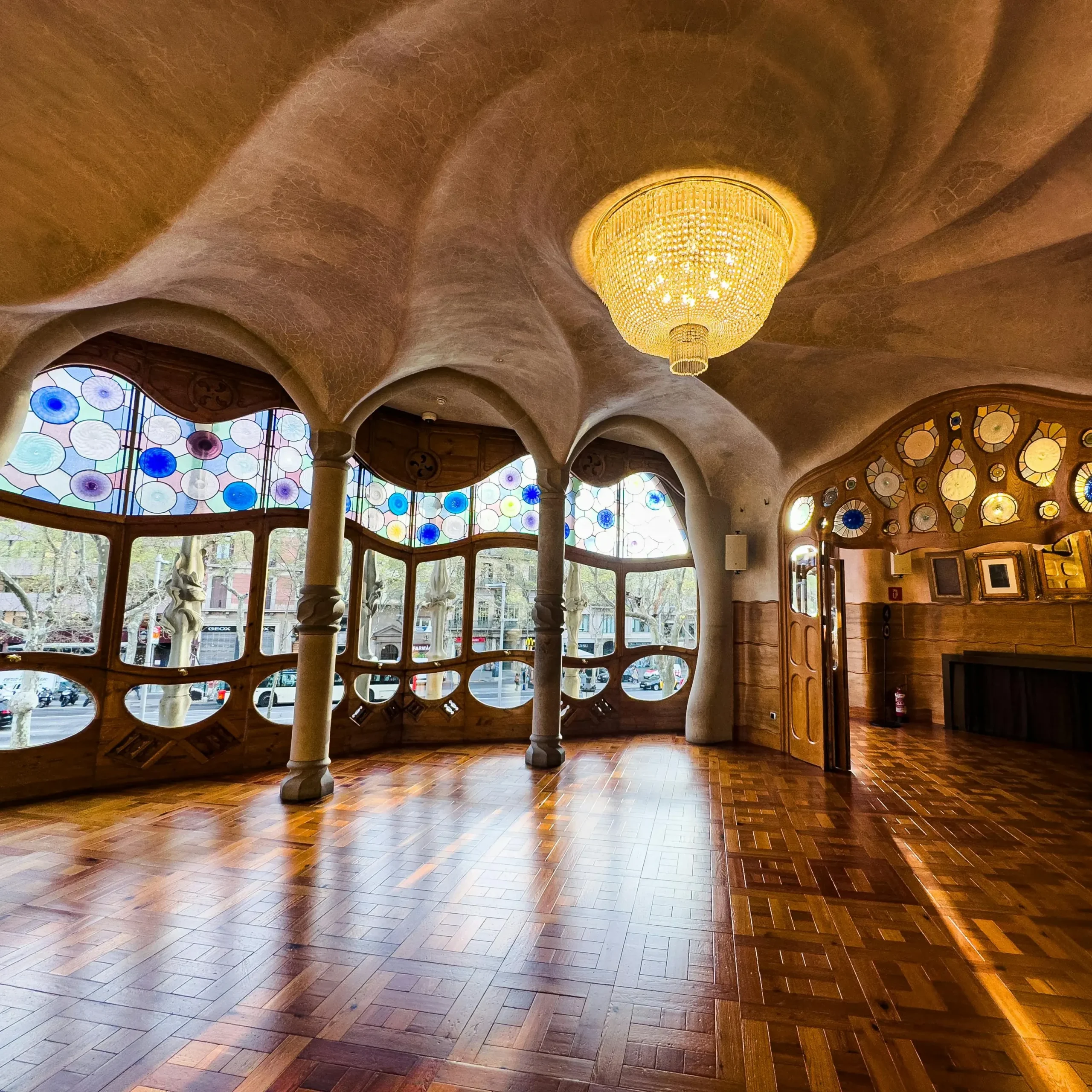
Ticket Price: From €29
Location: Passeig de Gràcia 403
3. La Pedrera (Casa Milà)
Just a short walk from Casa Batlló is La Pedrera, also known as Casa Milà. This building, completed between 1906 and 1912, showcases Gaudí’s ability to turn stone into a living form. Its wavy façade and surreal chimneys on the rooftop make it one of the most innovative buildings of the early 20th century. La Pedrera was one of the first Gaudí buildings to be added to the UNESCO list, receiving its designation in 1984.
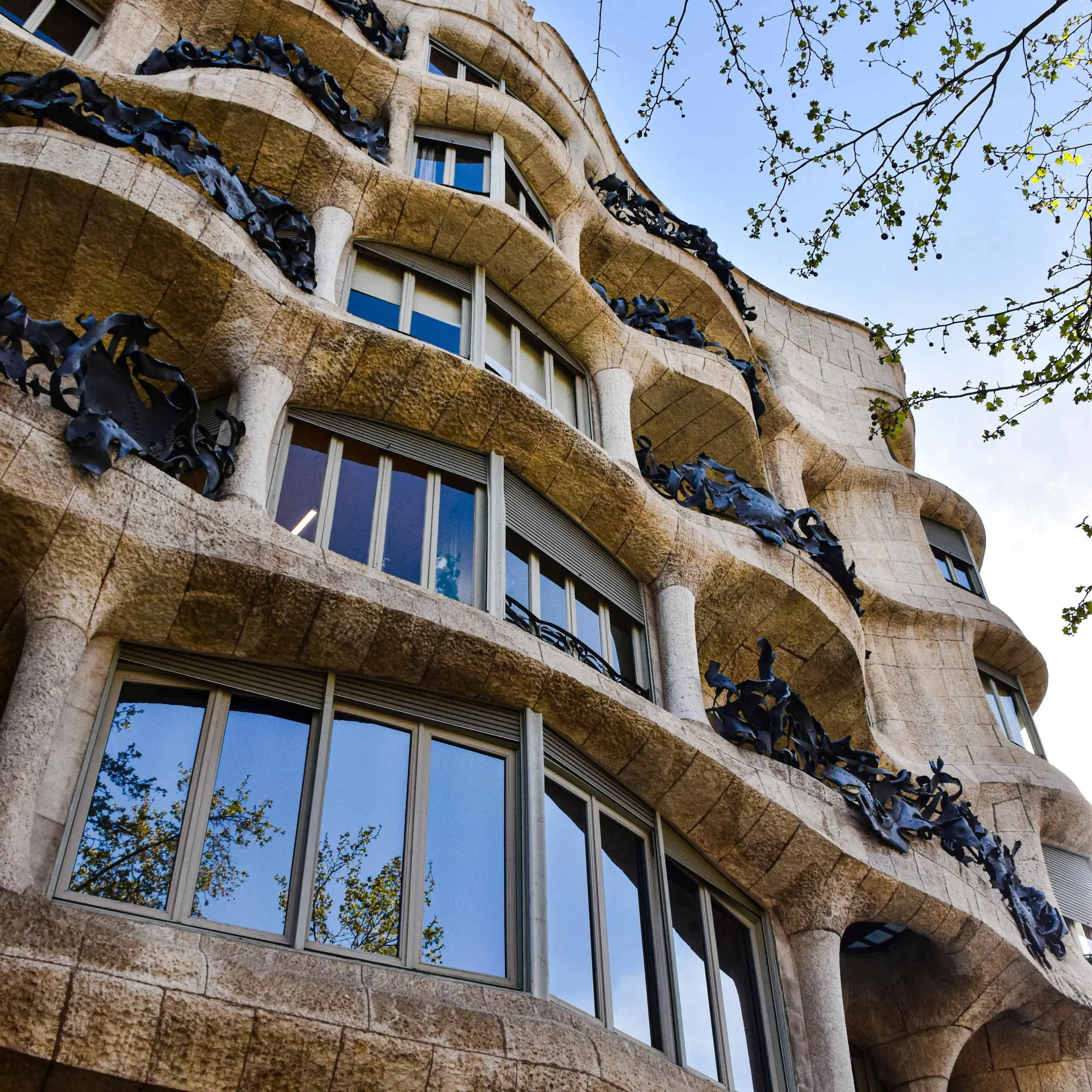
Ticket Price: From €29, up to €39 (night or rooftop tour)
Location: Passeig de Gràcia 92
4. Casa Vicens
Often overlooked by visitors, Casa Vicens was Gaudí’s first important work as an architect. Built between 1883 and 1885, this house reflects a strong Moorish influence and vibrant colour palette. It represents Gaudí’s experimentation with styles and forms before he developed the signature look we associate with his later works. Casa Vicens became a UNESCO World Heritage Site in 2005 and now functions as a museum open to the public.

Ticket Price: From €18, guided tours from €24
Location: Carrer de les Carolines, Gràcia
5. Cripta Gaudí (Colònia Güell)
Located just outside Barcelona, the Cripta Gaudí was an experimental space where Gaudí tested structural ideas later applied in the Sagrada Familia. Built between 1898 and 1914, the crypt is the unfinished part of what was meant to be a larger church for the workers of Colònia Güell, an industrial colony. It was added to the UNESCO list in 2005, and although lesser known, it’s a must-visit for architecture lovers.
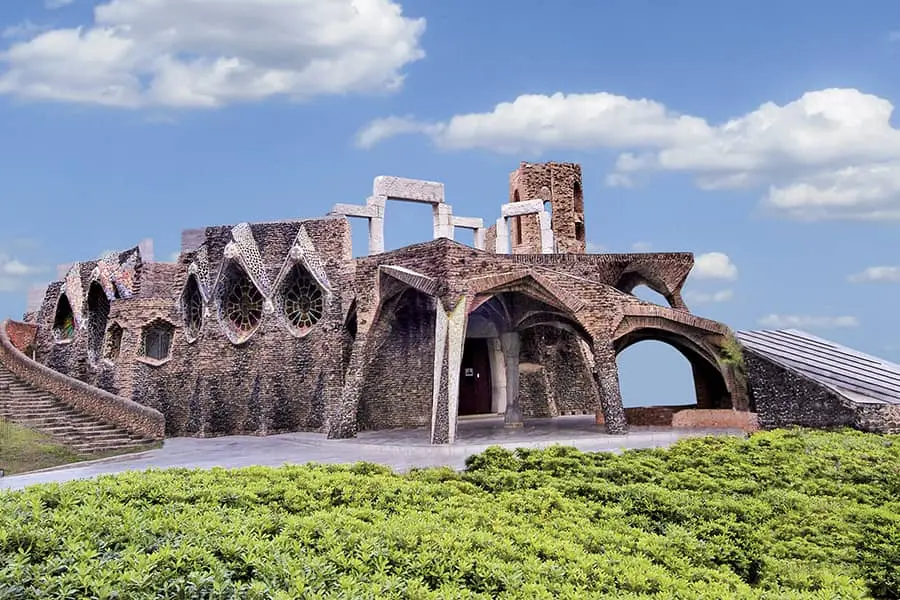
Ticket Price: From €10
Location: Santa Coloma de Cervelló
6. Palau de la Música Catalana
One of the few UNESCO sites in Barcelona not designed by Gaudí is the stunning Palau de la Música Catalana, created by Lluís Domènech i Montaner between 1905 and 1908. This concert hall is a masterpiece of Catalan modernism, with an array of mosaics, stained glass, and sculpture. Designated a World Heritage Site in 1997, the Palau is still in active use and offers guided tours and incredible performances.
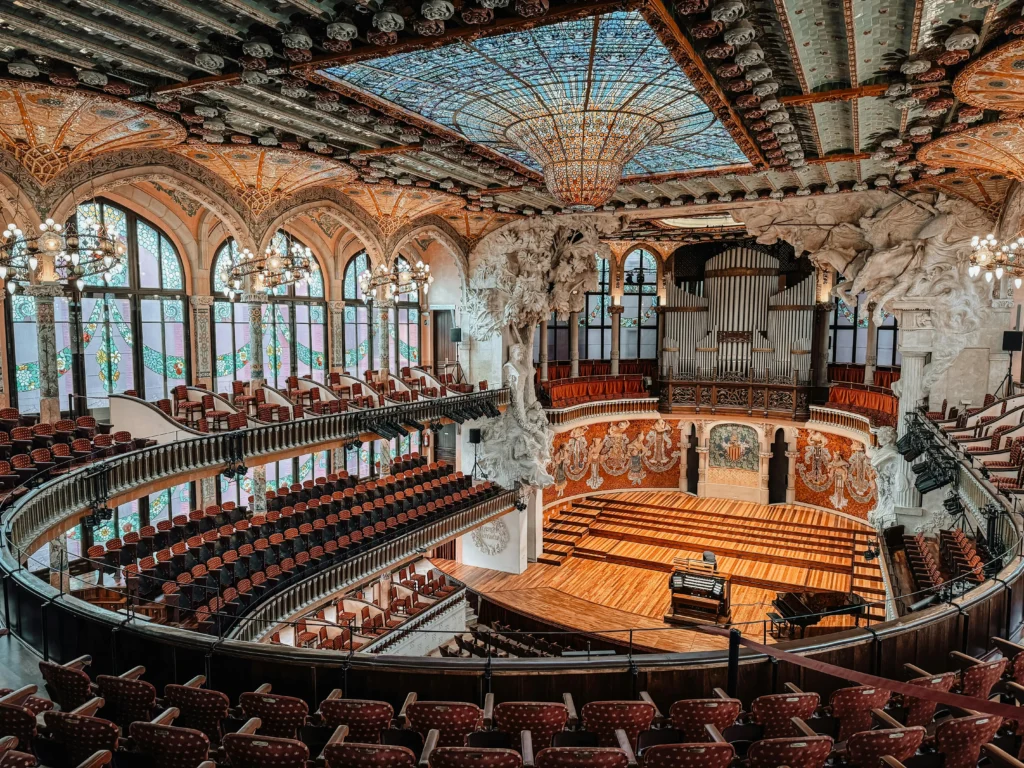
Ticket Price: From €18–€22 (tour)
Location: Carrer del Palau de la Música
7. Palau Güell
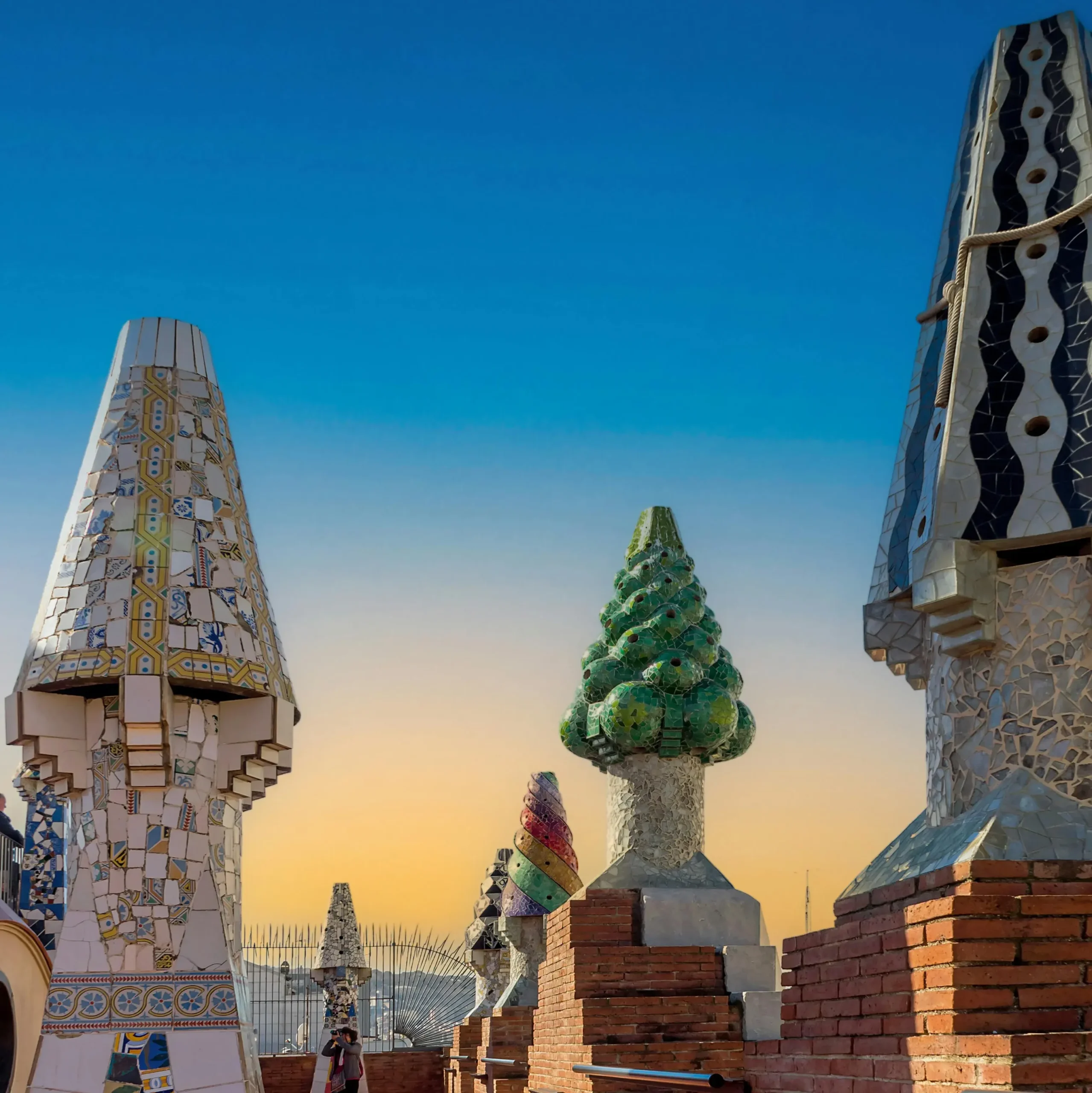
Designed by Gaudí for his patron Eusebi Güell, the Palau Güell is one of the architect’s earlier works, completed in 1888. This urban palace mixes medieval elements with modernist innovation and includes one of the most spectacular rooftops in the city, filled with colourful mosaic chimneys. It became a UNESCO World Heritage Site in 1984.
Ticket Price: €12
Location: Carrer Nou de la Rambla
8. Park Güell
One of the most beloved spots in Barcelona, Park Güell is an open-air museum of Gaudí’s vision. Built between 1900 and 1914, it was originally conceived as a residential project that turned into one of the city’s most famous public parks. With colourful mosaics, organic forms, and panoramic views, it’s easy to see why it became a UNESCO site in 1984. It’s also free for residents, adding a lovely community element.

Ticket price: From €18
Location: Carrer d’Olot
Barcelona’s UNESCO World Heritage Sites offer more than just photo opportunities; they tell the story of a city where creativity, identity, and architecture intertwine. Whether you’re an art lover, a history fan, or simply curious, exploring these landmarks will give you a deeper appreciation for Catalonia’s unique cultural heritage. Next time you visit, don’t just admire these masterpieces, immerse yourself in them. Each site has a soul, a story, and a place in the heart of Barcelona.