The Best Museums in Barcelona
Barcelona offers a wide range of museums for every interest: art, history, architecture, sports, science, and contemporary culture. Whether you’re visiting the city for the first time or already know it well, exploring its museums is a great way to understand its history, creativity, and unique lifestyle.
Must-See Museums in Barcelona
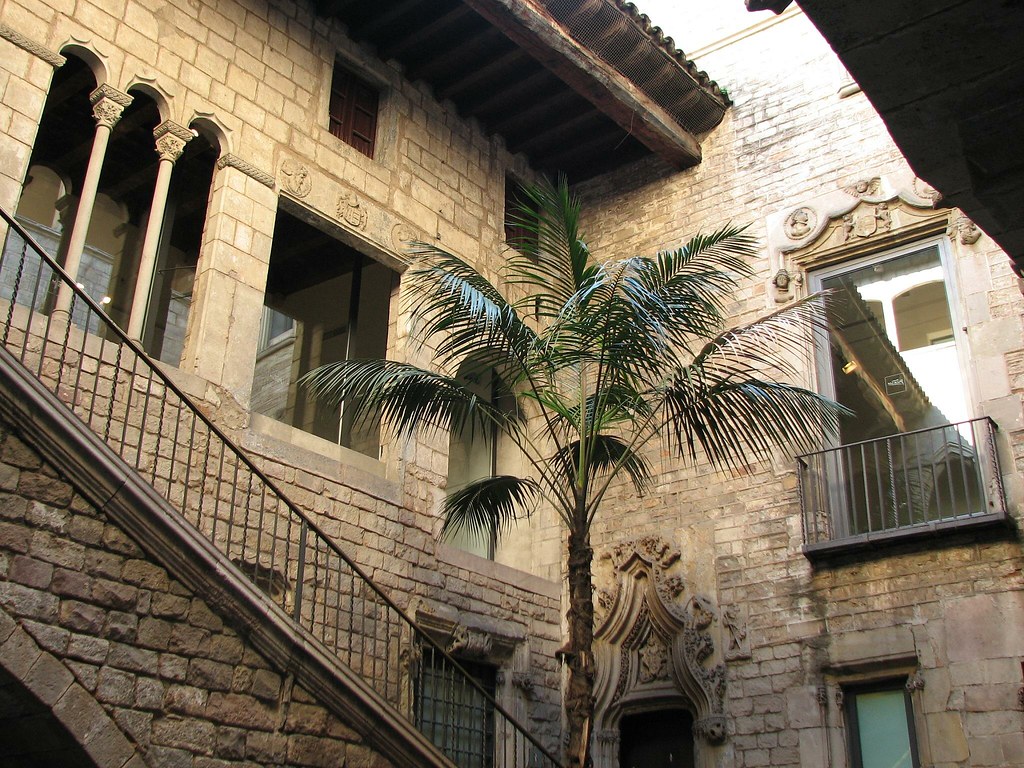
Museu Picasso
Pablo Picasso was born in Málaga, but did you know he had a special connection with Barcelona? He spent part of his childhood in the city and, at just 14 years old, enrolled in the Academy of Fine Arts of Barcelona. After completing his studies, Picasso took his first steps as a modern art painter, and remained closely linked to the city throughout his life. The Picasso Museum houses more than 4,300 works from the period 1890–1957, including two of his most important pieces, First Communion (1896) and Science and Charity (1897).
Metro: Jaume 1 (L4)
Museu Nacional d’Art de Catalunya (MNAC)
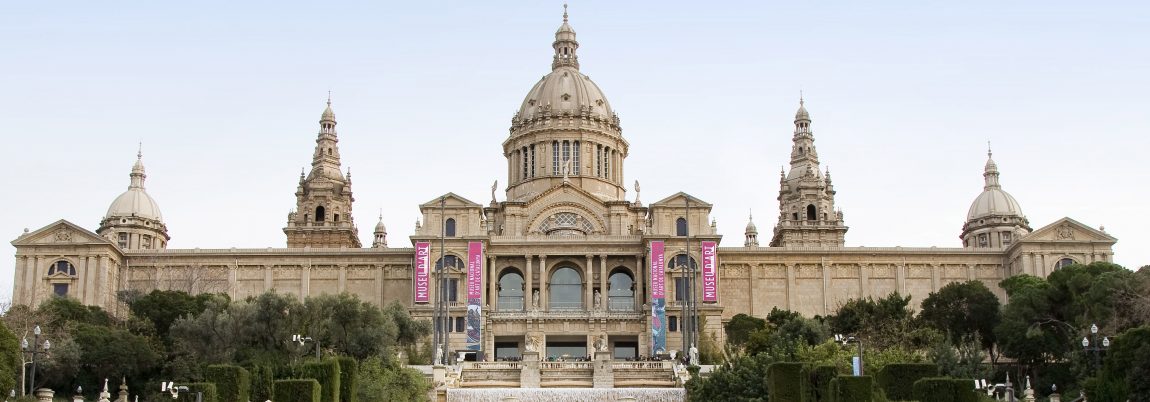
If you’re interested in Catalan culture, don’t miss a visit to the National Art Museum of Catalonia in Barcelona, located next to Montjuïc. The museum is housed inside the Palau Nacional, a building constructed in 1929 for the World Exhibition. In addition to its fascinating permanent collections of regional art, the museum also hosts outstanding temporary exhibitions each month that are well worth seeing.
Metro: España (L1 / L3)
FC Barcelona Museum
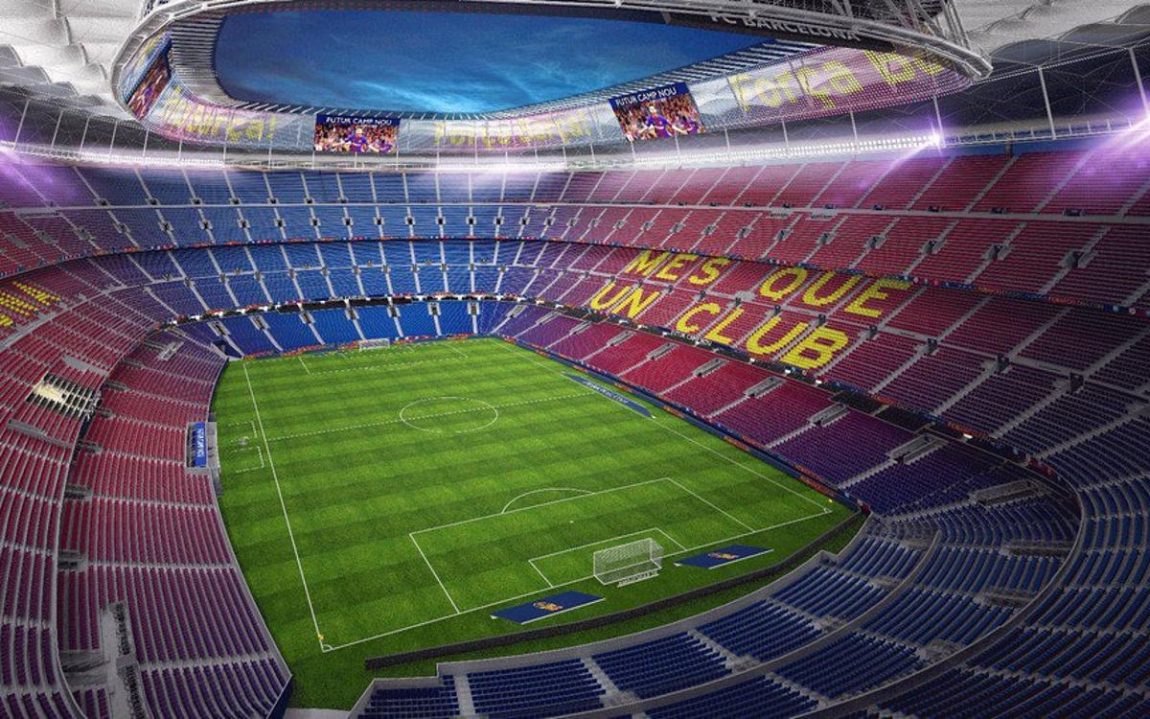
The most visited museum in Barcelona and the third most visited in Spain, the FC Barcelona Museum is a must-visit for football fans. Visitors can explore the club’s full history, including its medals and trophies, as well as learn more about current players, the stadium, and the pitch itself. Guided tours are also available for true supporters.
Metro: Palau Reial (L3)
Museums to Discover the History of Barcelona and Catalonia
El Born | Centre de Cultura i Memòria
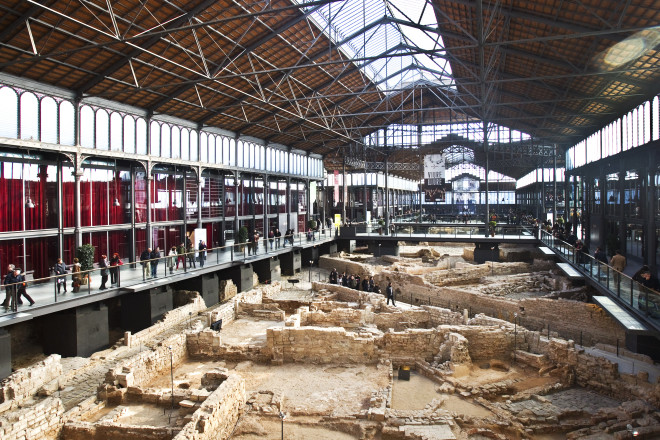
At this cultural space, you can discover what Barcelona was like in the 1700s, as El Born | Centre de Cultura i Memòria brings together archaeology and history in one of the city’s most unique buildings. Beneath the former Born market structure, you can explore the remains of 18th-century Barcelona, destroyed after the War of the Spanish Succession.
In addition to the archaeological ruins, the centre hosts exhibitions and cultural events throughout the year.
Metro: Arc de Triomf (L1)
Museu d’Història de Catalunya
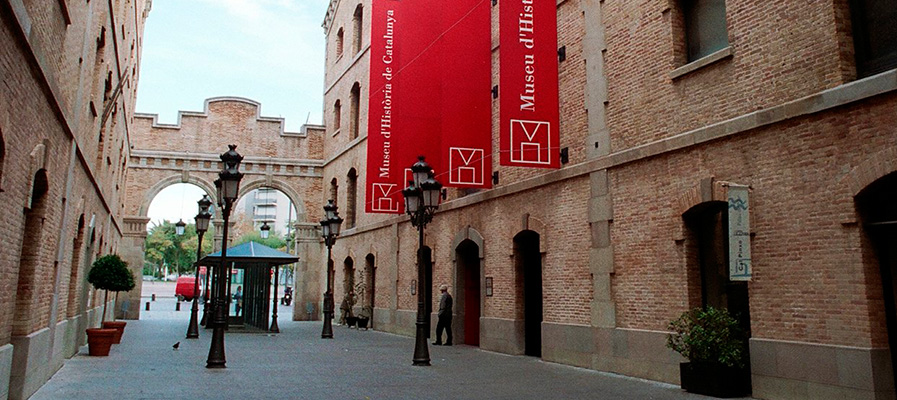
With over four floors of exhibitions dedicated to Catalan history, discover more about the region of Catalonia from prehistoric times to the present day at the Museum of the History of Catalonia. Explore the region through its culture, economy, and technology, and don’t forget to check out the temporary exhibitions on the first floor.
Metro: Barceloneta (L4)
Museu Marítim de Barcelona
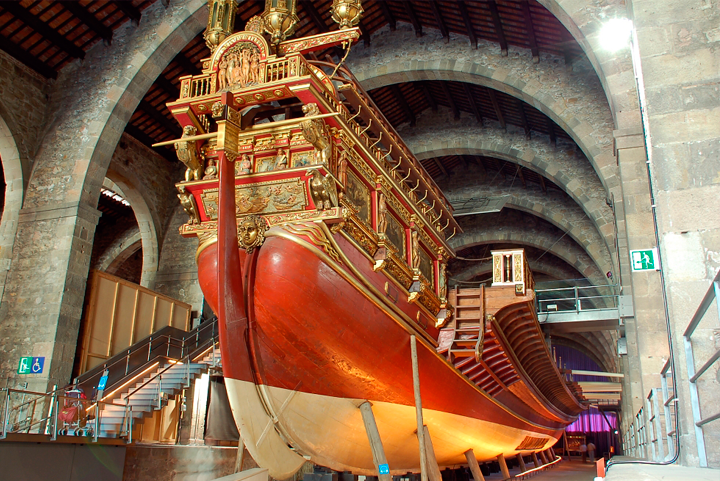
Located in the historic Drassanes Reials, the Maritime Museum explores Barcelona’s close relationship with the sea and navigation. With over 80 years of maritime history on display, including real vessels, you can also see a full-scale replica of the 16th-century naval ship Juan de Austria.
Metro: Drassanes (L3)
Museums Dedicated to Gaudí and Modernisme
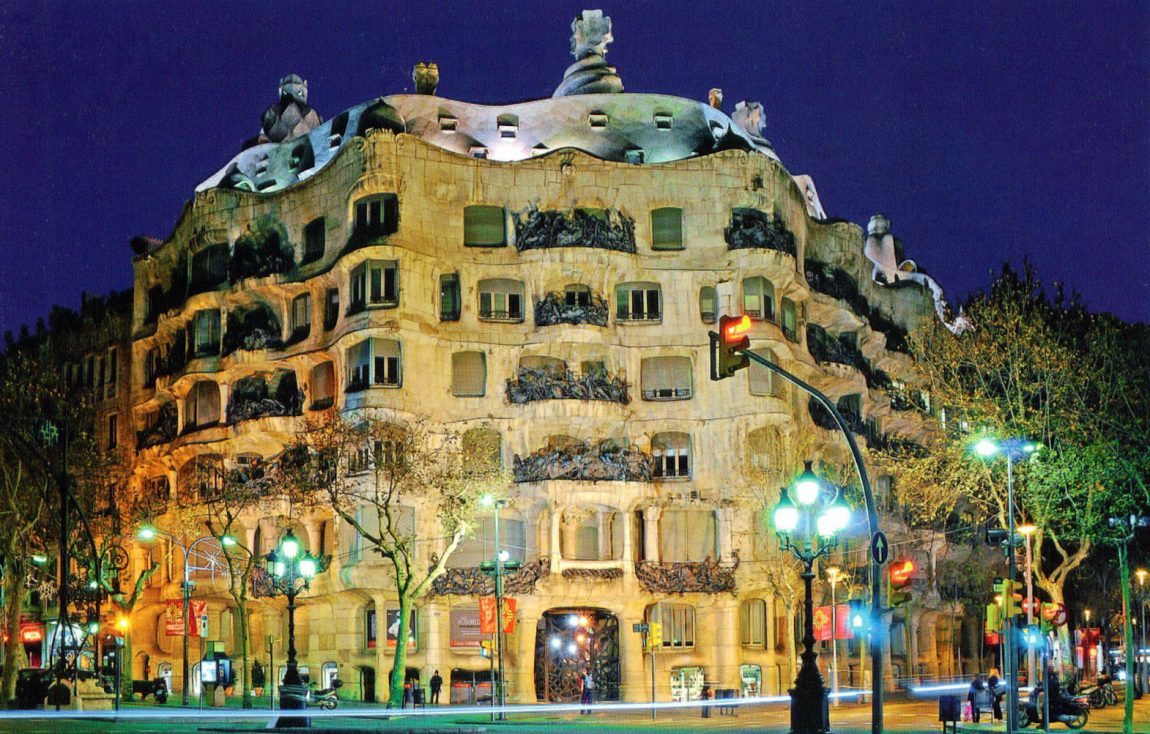
Casa Milà – La Pedrera
One of the most iconic architectural works by Antoni Gaudí, the Casa Milà (also known as La Pedrera) was built between 1906 and 1912 for Pere Milà and his wife Roser Segimon. During your visit, you can explore the famous rooftop terrace, the attic, and the fourth floor of the building, transporting you back to the aristocratic Barcelona of the early 20th century.
Metro: Diagonal (L3 / L5)
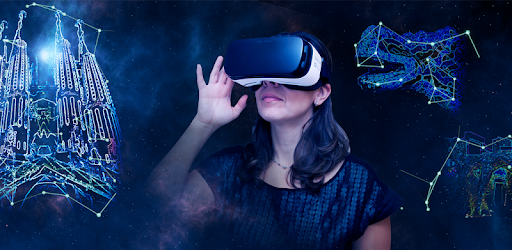
Gaudí Experiència
Showcasing the stunning architectural designs of Antoni Gaudí, the Gaudí Experiència lets you explore how the renowned Catalan architect’s mind worked and discover his masterpieces through virtual reality and a 4D cinema experience.
Metro: Jaume 1 (L4)
Palau de la Música Catalana
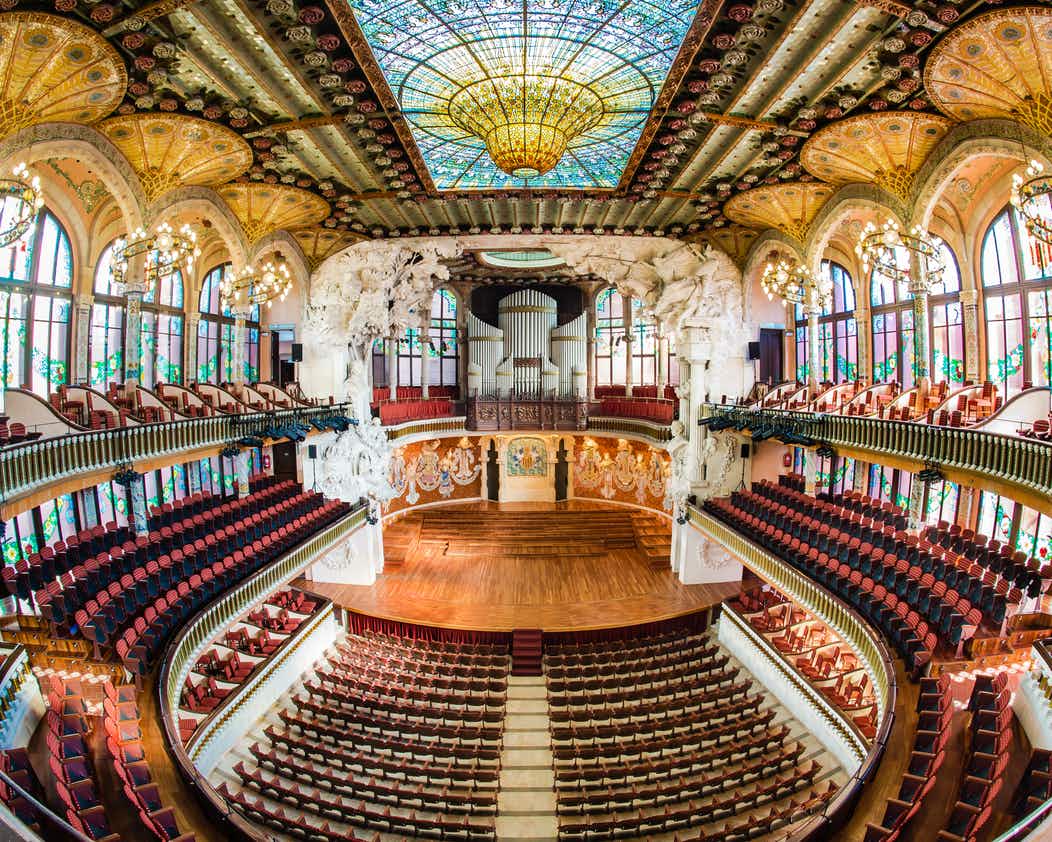
Stunning both inside and out, the Palau de la Música Catalana is one of the most iconic landmarks of Catalan Modernisme. It was built in the early 20th century by Lluís Domènech i Montaner for the Catalan choral society, and visitors can enjoy a guided tour of the concert hall or experience it during a live performance.
Metro: Urquinaona (L1 / L4)
Interactive and Family-Friendly Museums
CosmoCaixa
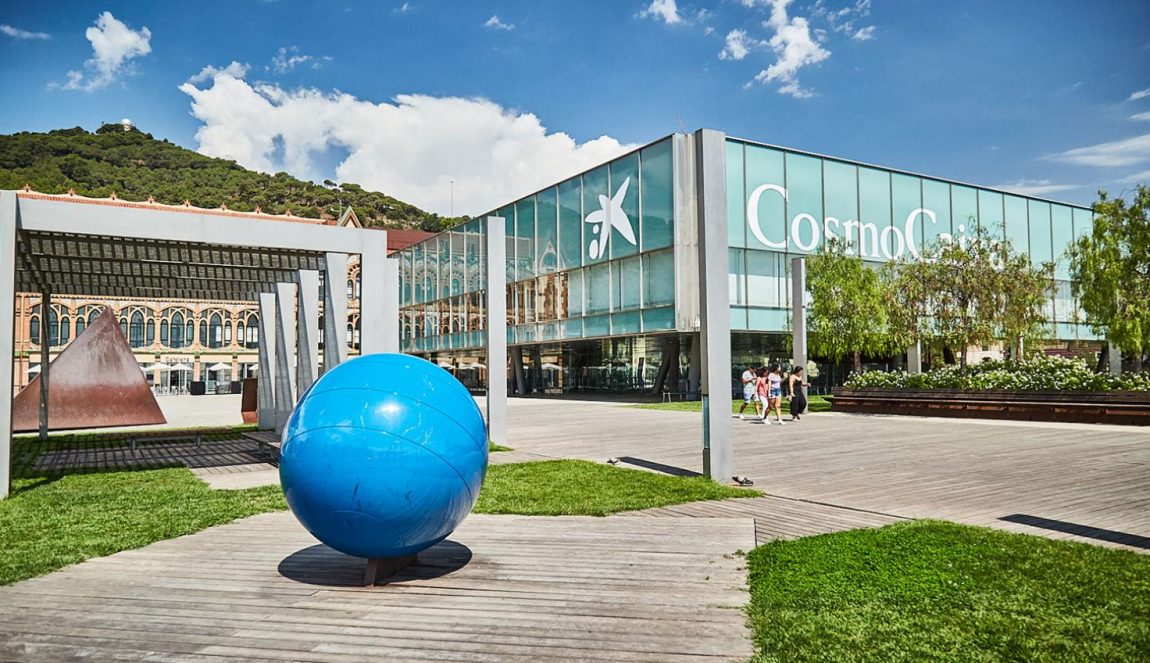
With nine floors, including six underground levels, CosmoCaixa is an interactive science museum enjoyed by visitors of all ages. Each floor has its own theme, ranging from the composition of the Earth to a lifelike replica of the Amazon rainforest. There is even a planetarium for aspiring stargazers and astronomy enthusiasts.
Metro: Penitentes (L3)
Museu de la Xocolata
Already drooling at the thought of a Chocolate Museum in Barcelona? Learn about the history of chocolate and its journey to Europe, and discover some impressive chocolate sculptures, including a life-sized Mickey Mouse and a scaled-down replica of the Sagrada Familia! You can even taste these delicious treats as you explore the museum.
Metro: Jaume 1 (L4)

Museu Olímpic i de l’Esport Joan Antoni Samaranch
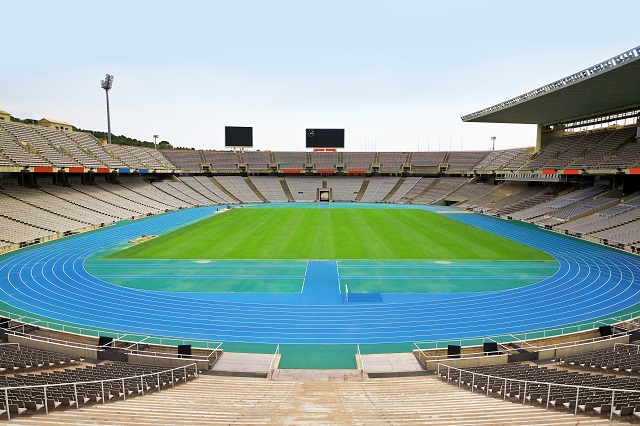
The Barcelona Olympic Museum, located on Montjuïc and opened in 2007, is dedicated to the Olympic Games and the history of sport. It combines interactive technology, simulators, and exhibitions on athletes and international competitions.
It’s a highly recommended visit for families and sports enthusiasts.
Metro: España (L3)
Museu Agbar de les Aigües
Water is essential to life as we know it, but how does a major city like Barcelona supply water to everyone who lives here? Discover the answer to this and many other questions at the Barcelona Water Museum. In addition to fascinating facts and information, there are also interactive experiments for visitors of all ages interested in the importance of H2O.
Metro: Cornellà Centre (L5)
Museos menos conocidos pero diferentes
Fundació Antoni Tàpies
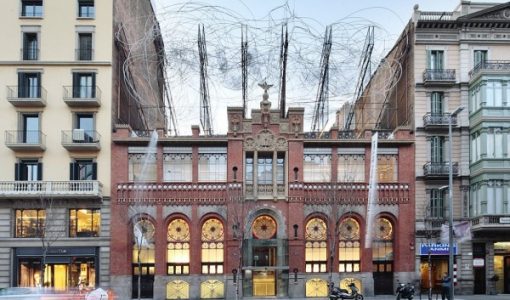
The Fundació Tàpies Museum was founded in 1984 by the renowned Catalan painter, sculptor, and art theorist Antoni Tàpies. He created the museum to promote modern and contemporary art, and its collection focuses on important social themes such as life under Franco’s regime.
Metro: Passeig de Gràcia (L2 / L3 / L4)
Centre de Cultura Contemporània de Barcelona
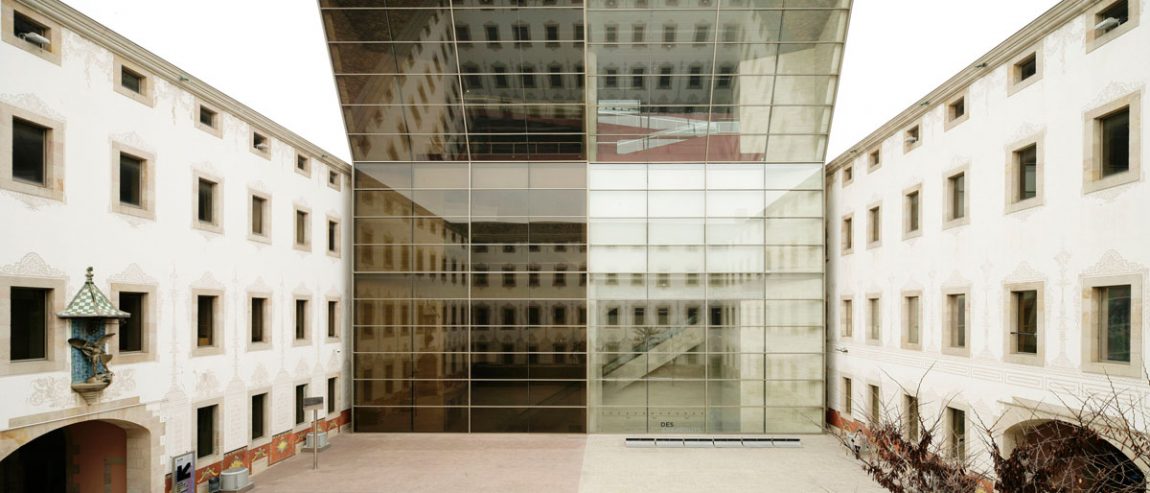
The Barcelona Centre for Contemporary Culture aims to support the creative development of artists, encouraging an ongoing journey of discovery. It features exhibitions, concert halls, theatre performances, and even a spectacular viewpoint over the city. The centre also hosts talks and workshops to discuss current issues and welcomes well-known speakers to share their perspectives.
Metro: Universitat (L1 / L2)
Museu de Montserrat
About an hour from Barcelona lies Montserrat, one of the most iconic places in Catalonia. In addition to visiting the monastery and enjoying the breathtaking mountain views, you can also explore the Montserrat Museum.
Its collection includes works by artists such as Picasso, Dalí, Monet, and El Greco, as well as archaeological finds and artefacts from Ancient Egypt.
Many visitors also take the opportunity to hear the famous Escolania de Montserrat, one of the oldest boys’ choirs in Europe.
Metro: Plaça d’Espanya (L1 / L3) (desde aquí tomar el tren R5 y luego el teleférico)
From major icons like the Museu Picasso or the MNAC to more unique spots such as the Chocolate Museum or CosmoCaixa, Barcelona offers cultural experiences for every taste. Whatever your interests, visiting one of these museums is the perfect way to discover another side of the city.