The secrets of Barcelona’s Gothic Quarter
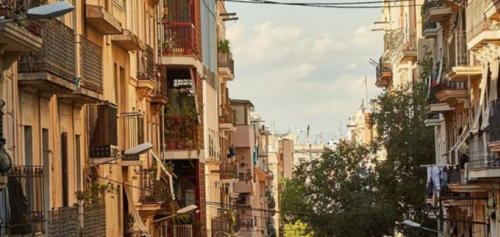
The old town of Barcelona was once surrounded by stone walls that protected this Mediterranean settlement from the frequent invasions that regularly struck the Iberian Peninsula. Today, in the 21st century, Barcelona’s historic center is home to many of the most important tourist attractions in the Catalan capital.
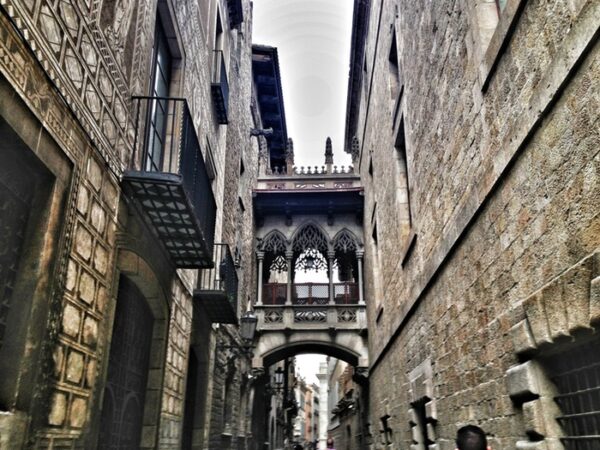
The Gothic Quarter hides surprising corners beyond the most visited spots. You’ll find the Gothic Cathedral with its tall capitals and evocative decoration, churches that reveal the Roman and medieval past such as Santa María del Pi and the Basilica of La Mercè, from the Baroque movement. Although they often appear in all tourist guides, today we want to show you corners that might surprise you.
Hidden Picasso works
The Barcelona Cathedral is located in a vast square where shows take place that leave people in awe, countless selfies are taken, and, of course, the spirals, gargoyles, and the fascinating architecture of the cathedral are admired. Beyond its imposing details, the Cathedral hides artistic surprises that many visitors overlook.
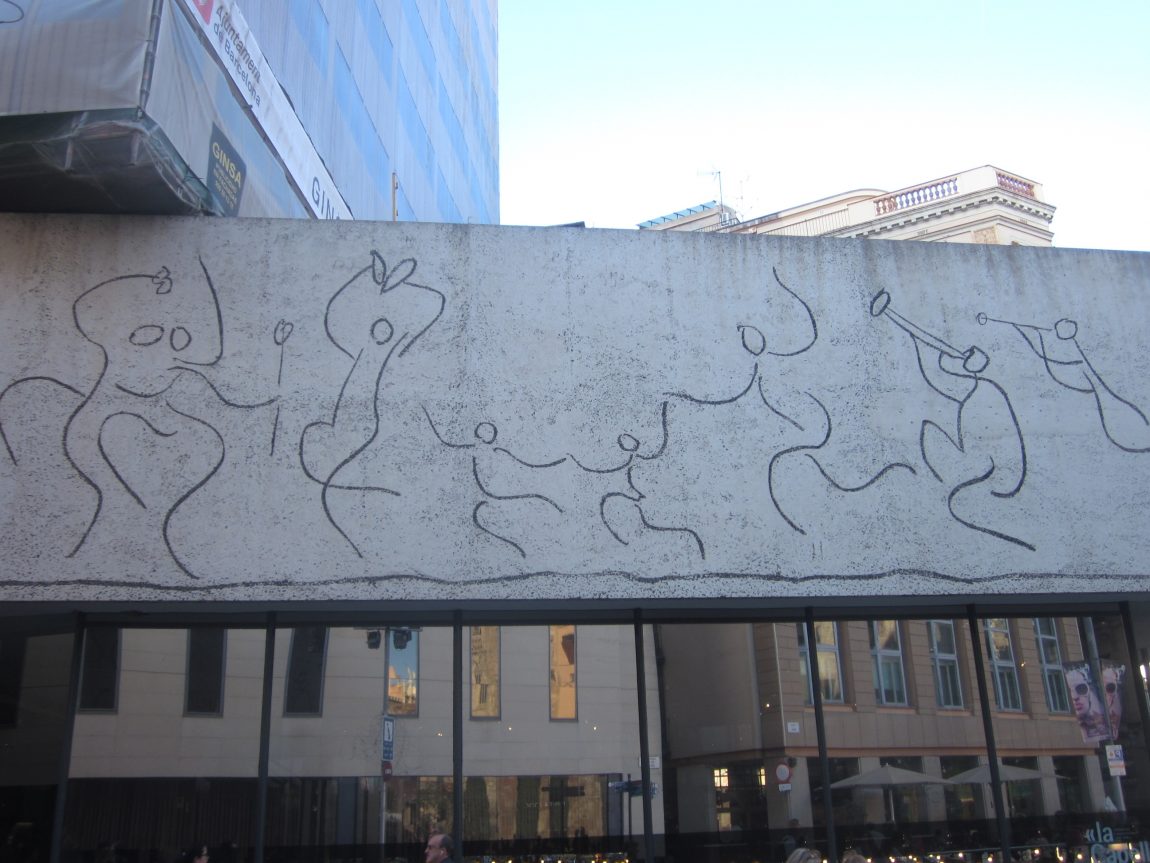
If you turn around, you’ll see a square building which is the Collegi d’Arquitectes de Barcelona (Architects’ Association). Its exterior wall is covered by enormous friezes based on paintings by Pablo Picasso. The brushstrokes represent the lively Catalan national dance, La Sardana, which is often danced right in this very square.
Like skyscrapers
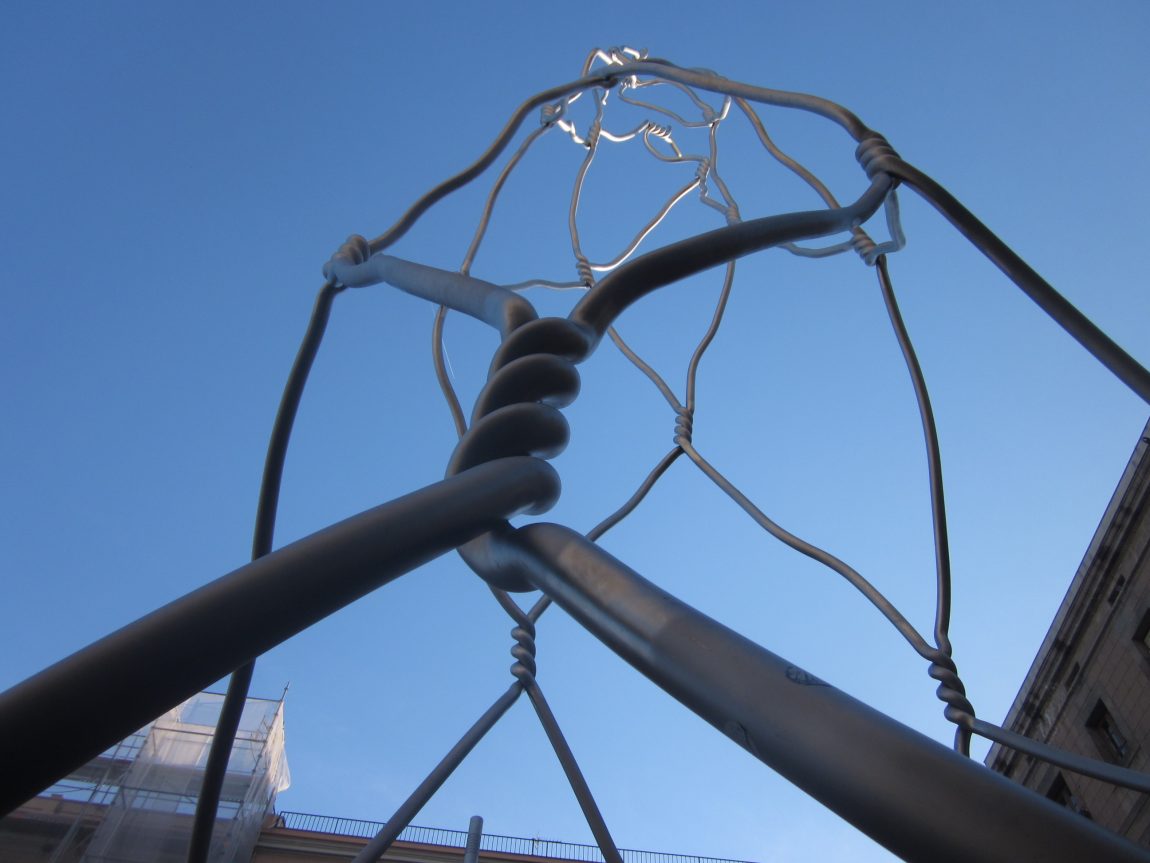
At a height of 12 meters in Plaça Sant Miquel, right behind Plaça Sant Jaume and the city hall building, you’ll come across this steel sculpture. With its sharp cable structure, it represents the local tradition of human towers (castells).
The Castellers teams practice all year round to participate in festivals where they build towers up to 8 stories high, supported on each other’s shoulders, offering an incredible display of balance and agility.
Cerabella, the oldest candle factory
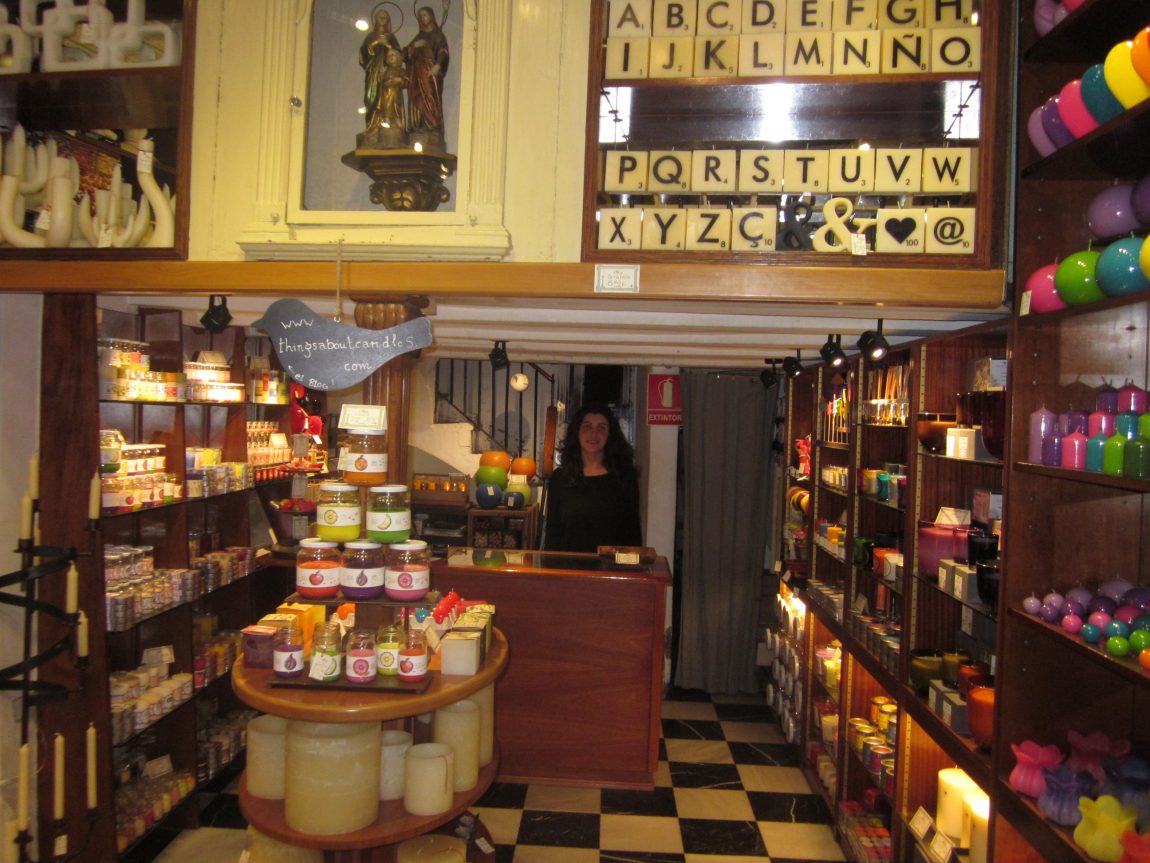
Open since 1862, it is one of the oldest shops in Barcelona. Three years after its opening, Cerabella moved to its current location at Sant Antoni Abat Street, 9.
The company has been passed down from family to family, reaching five generations of candle artisans, who have perfected candle making for over a century.
You’ll find a mix of colorful and contemporary creations, as well as designs with a more timeless and classic style, perfect for taking a piece of artisanal history home with you.
The Jewish Quarter of El Call
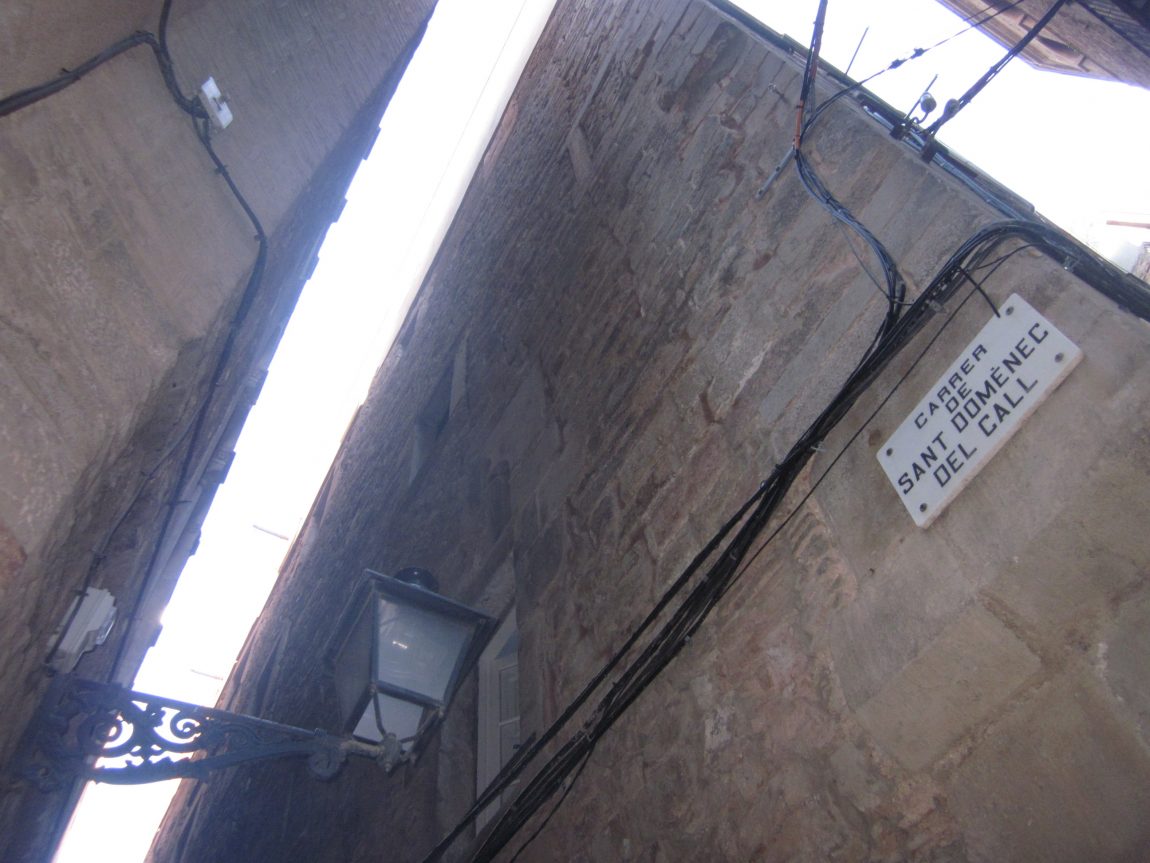
In medieval times, a significant Jewish community settled in the narrow alleys of the Gothic Quarter known as El Call.
The community made sure to have everything they needed to live according to Jewish traditions and customs. Today, you can still visit one of the oldest synagogues in Europe, which can be found in this neighborhood.
Sant Felip Neri: traces of the Civil War
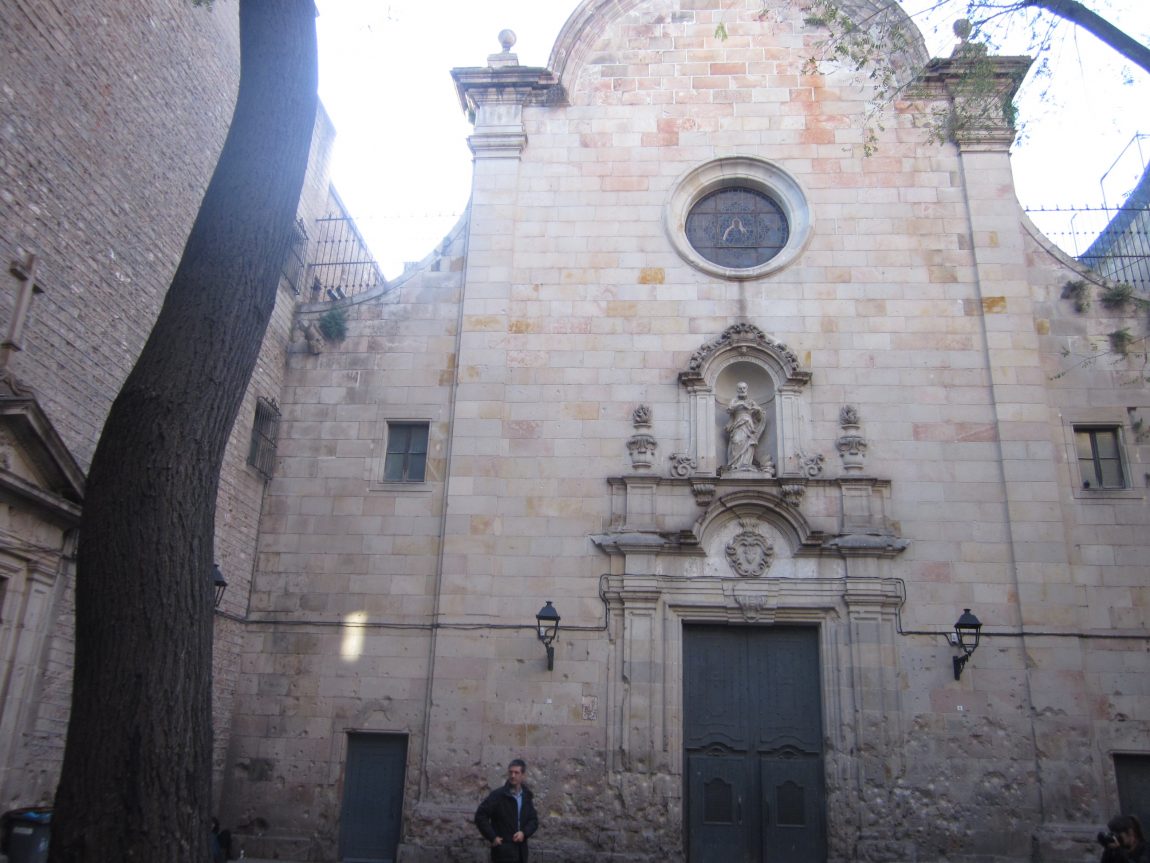
Plaça Sant Felip Neri is a quiet square with a fountain and a Baroque church called Sant Felip Neri, which casts a shadow over the courtyard.
This shadow is not the only dark part of the square, as the walls of the church are marked with holes created by the explosion of a bomb during the Spanish Civil War in January 1938. There were 42 victims in this tragic event, especially children playing near the church.
There are a couple of bars that face the square, where you can take a look at history and the contrast of the joyful people passing by.
Discover the Gothic Quarter at your own pace
Barcelona’s Gothic Quarter is much more than its most famous monuments. Every alley, every square, and every corner holds stories waiting to be discovered, from the hidden art in Picasso’s friezes to the tradition of the Castellers and the historical silence of Sant Felip Neri. Let yourself be carried away by its streets, feel the history, and uncover your own secrets. Whether you’re looking for culture, architecture, or unique experiences, the Gothic Quarter always has something to surprise you and make your visit to Barcelona unforgettable.