Discover the Gothic Quarter: the best places to see, eat, and enjoy
If you’ve been to Barcelona, chances are you’ve wandered through the streets of the Gothic Quarter—a charming maze where history and modern life blend effortlessly. And if you haven’t discovered it yet, get ready to dive into the city’s oldest — and most vibrant — soul.
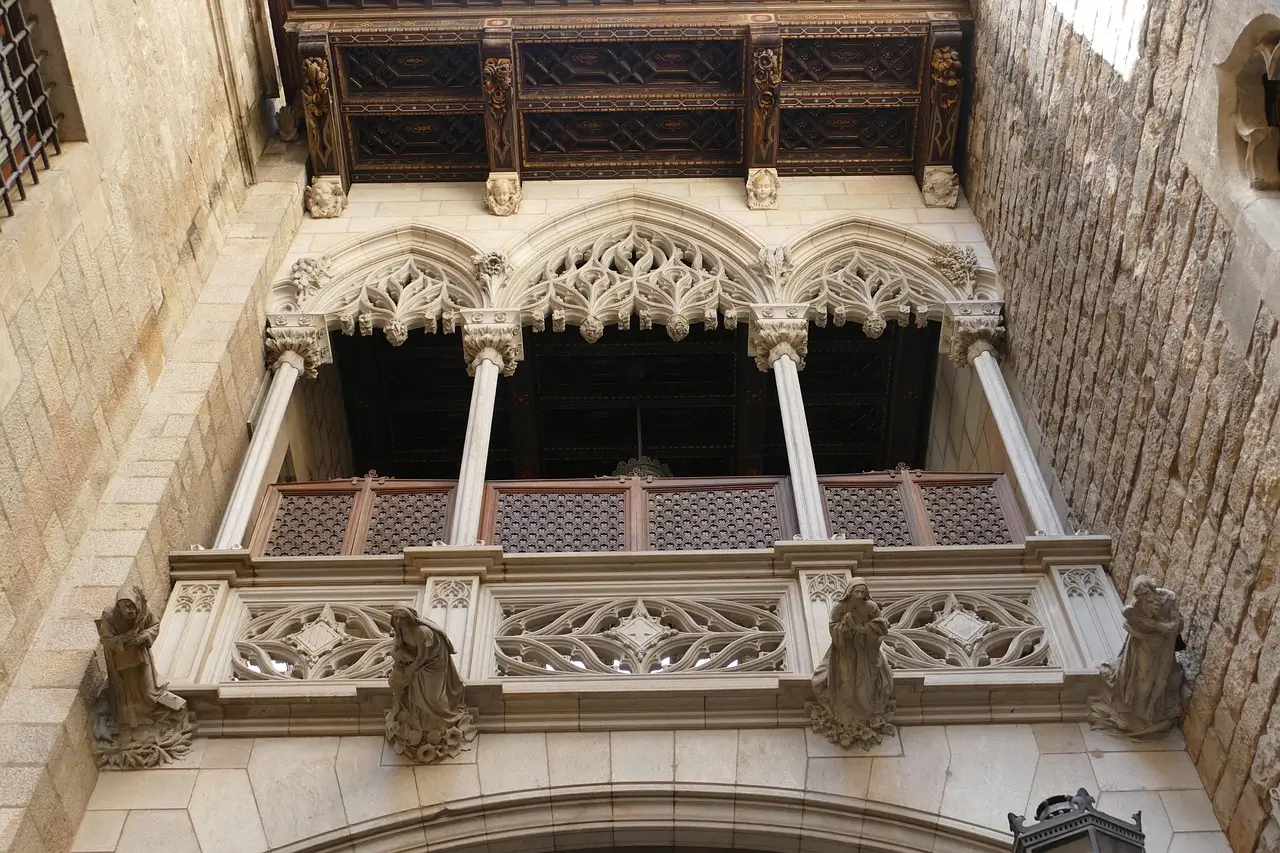
Between hidden squares, medieval facades, and the sound of street musicians, the Gothic Quarter breathes art, history, and energy in every corner. It’s the perfect place to wander without a map, look up, and let yourself be surprised by wrought-iron balconies, the aromas drifting out of local bars, or the strum of a guitar at sunset. In this guide, you’ll discover why the Gothic Quarter isn’t just a place to visit — it’s a place to feel.
1. Where is it? – Introduction to the district
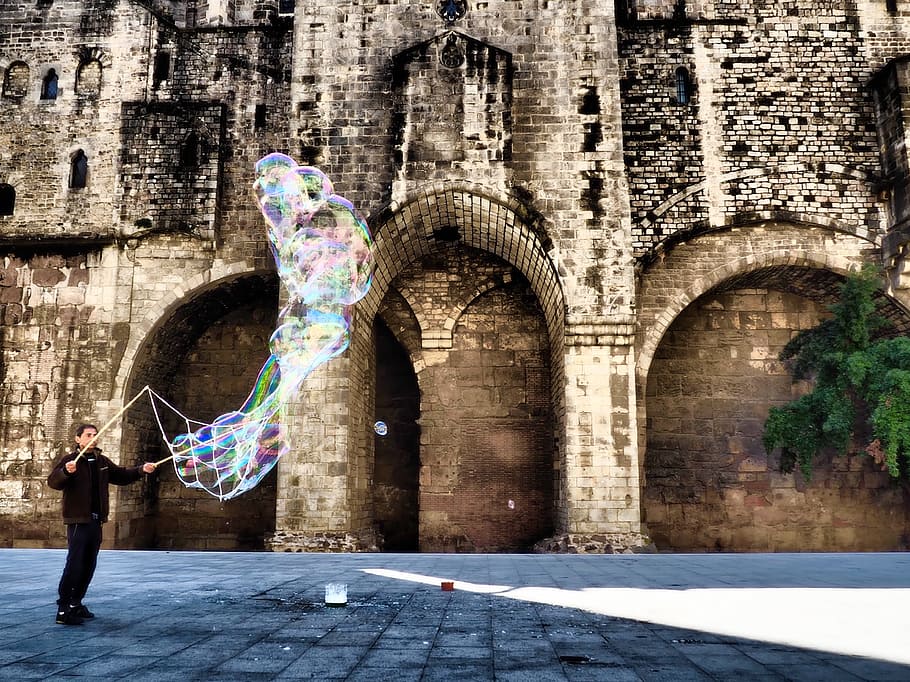
The Gothic Quarter is part of Ciutat Vella, the oldest district in Barcelona and the historic heart of the city. This area brings together some of Barcelona’s most iconic and representative heritage sites, where Roman remains, medieval architecture, and vibrant urban life coexist. Its irregular layout, small squares, and narrow streets reflect the city’s organic growth over the centuries, creating a setting rich in cultural significance and a major draw for visitors.
Within this setting, the Gothic Quarter stands out as the historical and symbolic heart of Ciutat Vella. It’s home to some of Barcelona’s oldest and most emblematic landmarks, such as the Cathedral, the City Hall, and the Palau de la Generalitat. Its concentration of heritage sites, vibrant commercial life, and strong appeal to visitors make it the district’s most iconic area—and an essential reference point for understanding the city’s urban and cultural evolution.
2. What to See and Do in the Gothic Quarter
The Gothic Quarter is one of the most fascinating areas in Barcelona to explore on foot. Its streets hide monuments, history-filled squares, and corners that capture centuries of urban life. Here’s a selection of must-see places:
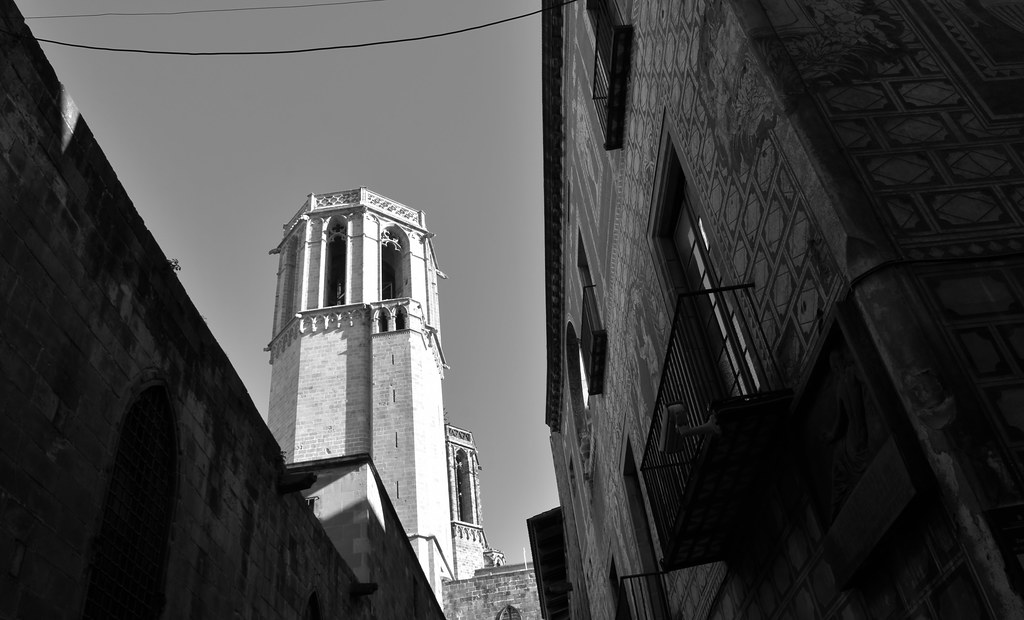
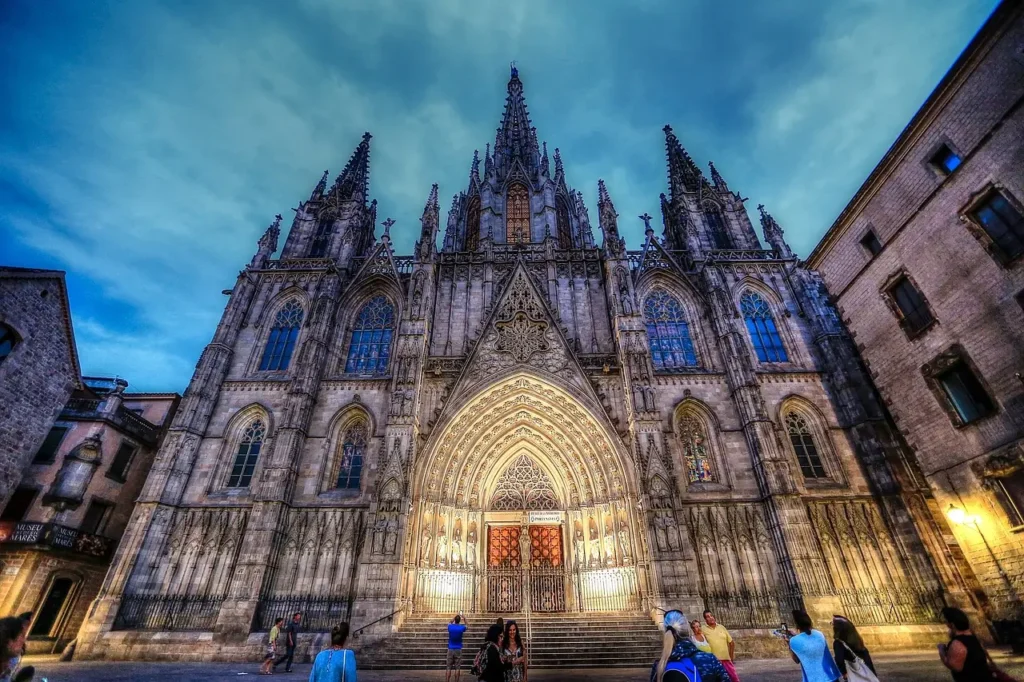
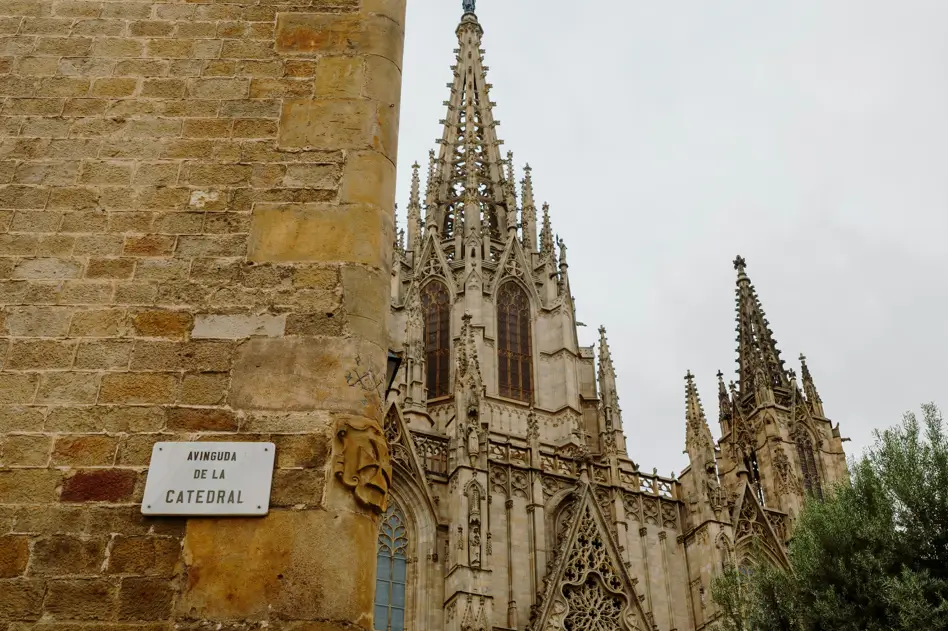
The Cathedral of the Holy Cross and Saint Eulalia is the spiritual heart of the neighborhood and a true gem of Catalan Gothic architecture. Its neo-Gothic façade, detailed gargoyles, and impressive interior captivate every visitor. The cloister—home to thirteen geese in honor of Saint Eulalia—offers a peaceful space filled with symbolism. And if you head up to the rooftop, you’ll be rewarded with an unbeatable panoramic view of the old town and the Mediterranean in the distance.
- Plaça del Rei
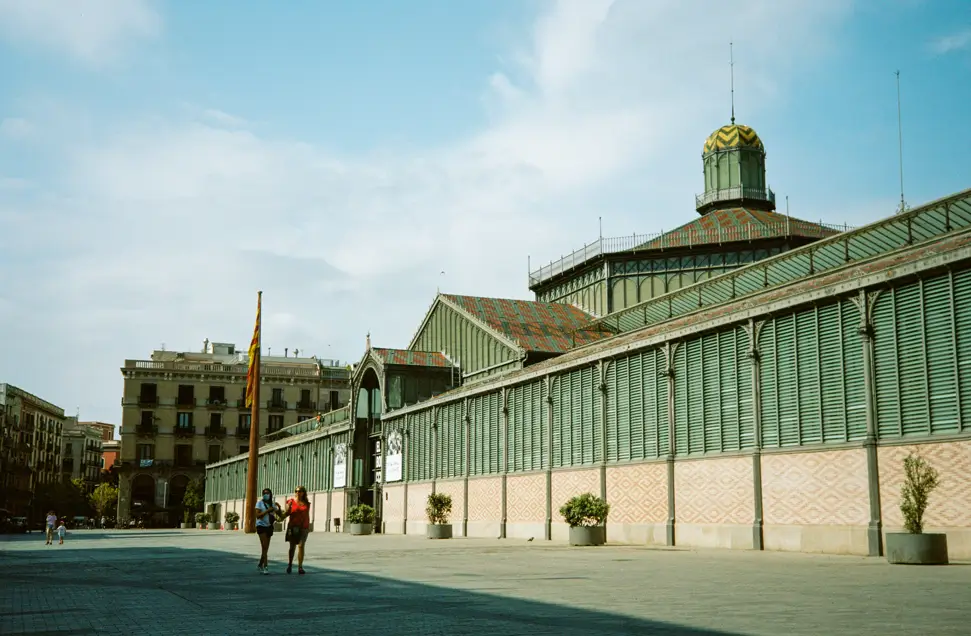
Plaça del Rei is one of the best-preserved medieval squares in Europe and a key spot for understanding Barcelona’s history. Beneath it lies the Barcelona History Museum (MUHBA), where you can walk through the remains of ancient Roman Barcino. This archaeological site offers a fascinating glimpse into what the city looked like two thousand years ago, with streets, workshops, and walls that reveal the origins of today’s Barcelona.
- Plaça Sant Jaume
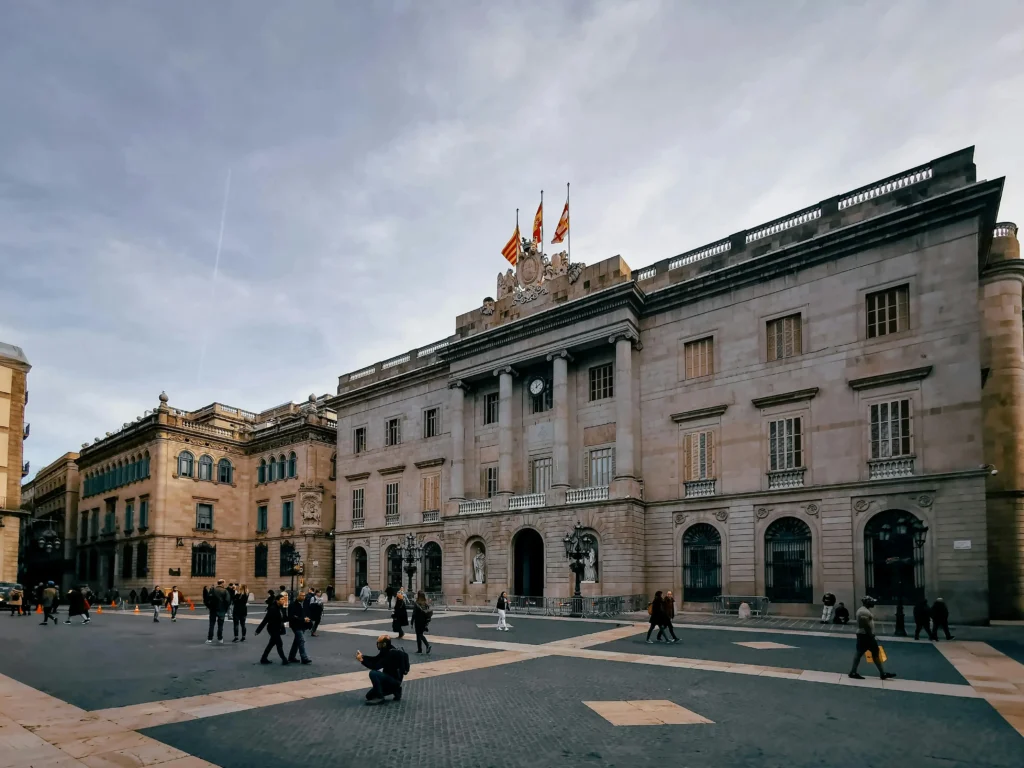
Plaça Sant Jaume has been the political heart of the city since the Middle Ages. Here you’ll find two historic landmarks facing each other: the Barcelona City Hall and the Palau de la Generalitat de Catalunya, the seats of municipal and regional government. It’s a lively square where events, demonstrations, and official ceremonies often take place. Its history and institutional role make it a true symbol of Barcelona’s civic identity.
- Plaça Reial
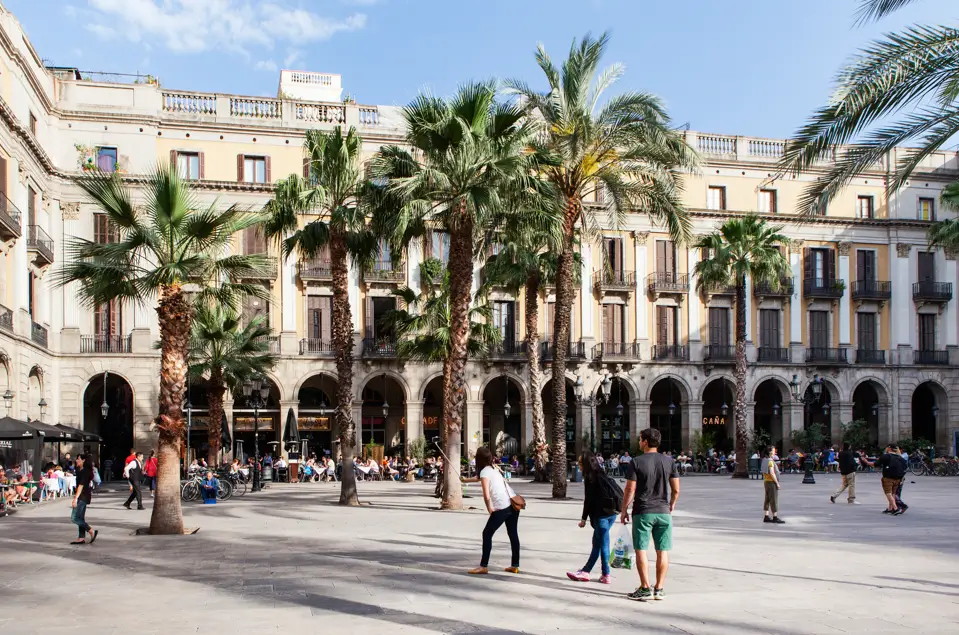
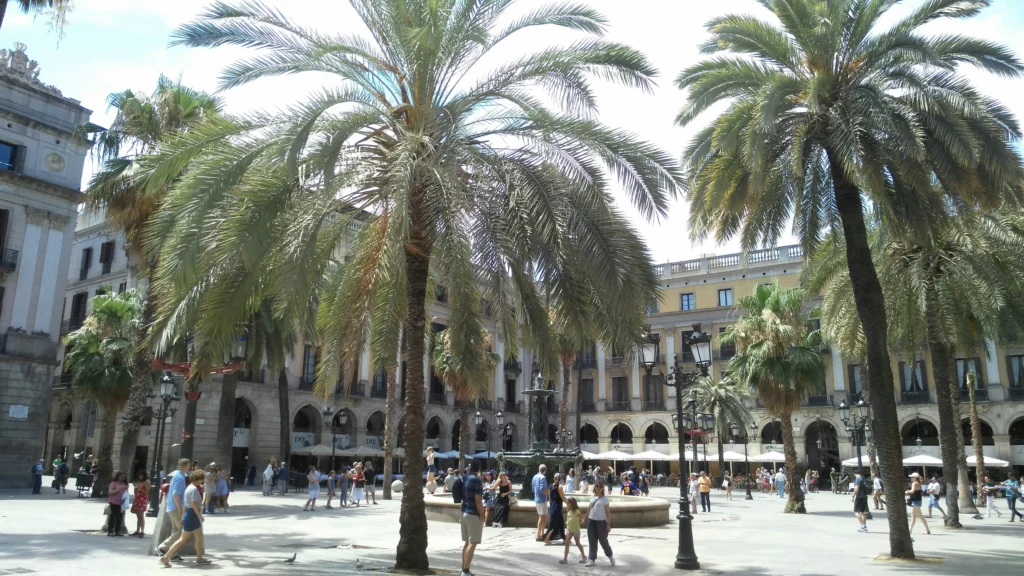
Plaça Reial is one of the most beautiful and lively squares in Barcelona. Surrounded by arcaded buildings, palm trees, and restaurants, it’s a popular meeting point for both locals and visitors. The square features modernist lampposts designed by a young Antoni Gaudí, as well as its central fountain, the Fountain of the Three Graces. At night, the atmosphere fills with music and energy, making it one of the most vibrant spots in the neighborhood.
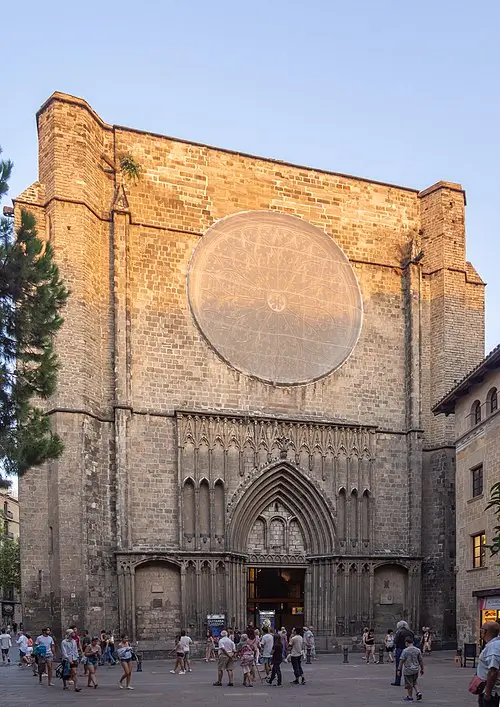
The Basilica of Santa Maria del Pi, built in the 14th century, is one of Barcelona’s most representative Gothic churches. Its austere façade hides a spacious, bright interior dominated by a magnificent rose window—one of the largest in Europe. From its bell tower, you can enjoy one of the most spectacular views of the old town. The surrounding area is filled with small artisan shops and charming terraces where you can soak up the local atmosphere.
- La Rambla and the Gateway to the Sea
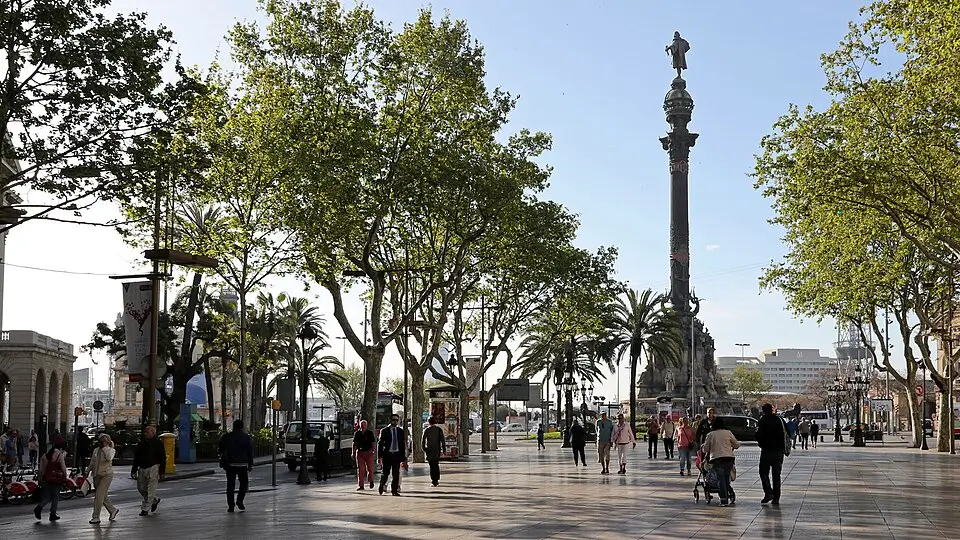
La Rambla marks the western edge of the Gothic Quarter and is one of Barcelona’s most iconic promenades. Filled with street performers, kiosks, and outdoor cafés, it connects Plaça de Catalunya with Port Vell, offering a stroll full of history and color. Along the way, you’ll find landmarks such as the Gran Teatre del Liceu and the La Boqueria Market. It’s the perfect spot to feel the city’s urban rhythm and its Mediterranean spirit.
Other places of interest in the Gothic Quarter:
- Plaça Sant Felip Neri, a hidden gem that still bears the scars of the Spanish Civil War.
- Plaça George Orwell, known for its young, multicultural atmosphere.
- The Frederic Marès Museum, dedicated to sculpture and the artist’s personal collections.
- El Call, the former Jewish quarter and one of the oldest in Europe.
- The Diocesan Museum, featuring an interesting collection of sacred art.
- The Cathedral Viewpoint, perfect for enjoying sweeping views of the old town.
3. Where to Eat and Drink
- Restaurant La Sosenga — Perfect for enjoying authentic Catalan cuisine with a contemporary touch, prioritizing local, zero-kilometer products.
Address: Carrer de n’Amargós, 1, Ciutat Vella
- Brugarol Barcelona — Offers contemporary izakaya-style cuisine: Japanese-inspired small plates made with local ingredients.
Address: Carrer de Salomó Ben Adret, 10, Ciutat Vella
- Bar Mono Restaurante — A restaurant specializing in tapas, drinks, and casual dining.
Address: Plaça de Sant Josep Oriol, 4, Ciutat Vella
- Grill Room Bar Thonet — Recommended if you want to try traditional Catalan and Spanish cuisine.
Address: Carrer dels Escudellers, 8, Ciutat Vella
- Right Side Coffee — Specialty coffee with in-house roasting, creative brunch dishes, and a relaxed atmosphere.
Address: Carrer de l’Arc de Sant Ramon del Call, 11, Ciutat Vella
- Santa Vegana — Creative vegan cuisine that combines a cozy atmosphere with fresh ingredients.
Address: Carrer de n’Arai, 1, Ciutat Vella
4. Shops, Markets, and Local Shopping
The Gothic Quarter isn’t just living history—it’s also one of Barcelona’s most authentic hubs for local shopping. Here, contemporary concept stores such as Be Store and 12 Pulgadas Concept Store blend design, urban fashion, and unique pieces within centuries-old walls. Around them, charming boutiques and bookstores like Le Swing, specializing in vintage fashion, and Papirum, an artisan stationery shop offering handcrafted notebooks and maps, help create the creative, bohemian atmosphere that defines the neighborhood.
Its streets are also home to traditional shops and artisan workshops that keep Barcelona’s essence alive. La Manual Alpargatera has preserved the tradition of crafting handmade espadrilles for decades, while Cereria Subirà, the oldest candle shop in the city, captivates visitors with its historic interior and artisanal production. Another iconic spot is La Colmena, a pastry shop founded in 1849 that blends century-old recipes with the flavors of the most authentic Barcelona. Altogether, the Gothic Quarter merges past and present through a local shopping scene that exudes history, creativity, and style.
5. Where to Stay in the Gothic Quarter?
If the charm of the Gothic Quarter has won you over, we’ve got good news: you can experience it from the inside. At AB Apartment Barcelona, you’ll find a carefully curated selection of apartments in this unique area—perfect for enjoying its history, lively streets, and unmistakable atmosphere. Explore our options in the search engine and choose your apartment in the heart of the Gothic Quarter, where every day begins with the true spirit of Barcelona.
6. Must-Visit Spots for Instagram Lovers
- Catedral de Barcelona
- Plaça Reial
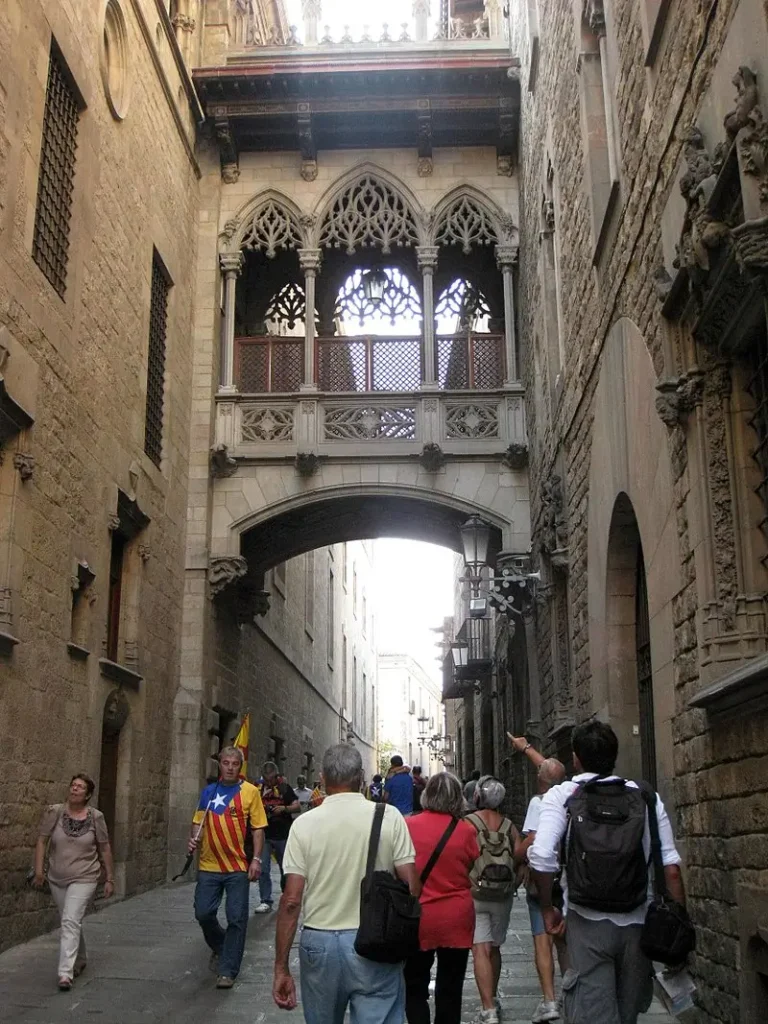
- Carrer del Bisbe
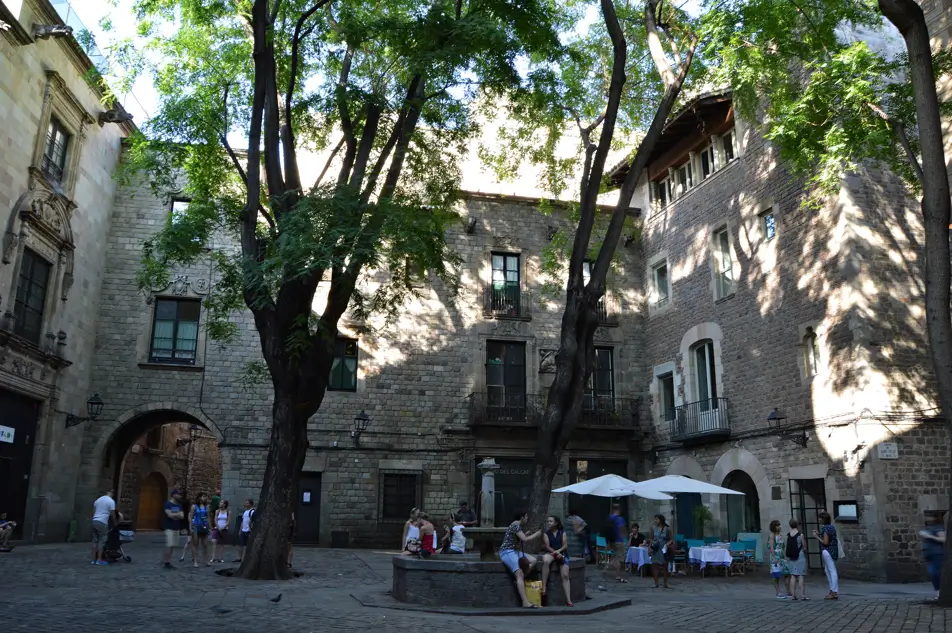
- Plaça Sant Felip Neri
7. Fun Facts and Things You Didn’t Know
The Gothic Quarter is the historic heart of Barcelona and the place where the city was first founded, built on the remains of ancient Roman Barcino. Beneath Plaça del Rei, you can still find streets, temples, and walls dating back more than two thousand years. Although it looks medieval, it hides curiosities such as the Carrer del Bisbe bridge, built in 1928 and adorned with a carved skull—a symbol of the creativity of its designer, architect Joan Rubió.
In Plaça Sant Felip Neri, the shrapnel marks from the 1938 bombings remain visible—a powerful reminder of the Spanish Civil War. This was also where Pablo Picasso lived and worked during his youth, in Passatge del Crèdit, drawing inspiration from the neighborhood’s streets for his early works. This artistic legacy still permeates every corner, making the Gothic Quarter a place where history and art walk side by side.
Every summer, the neighborhood celebrates the Fiestas de Sant Roc, a tradition dating back to 1589, with giants, castellers, and folk music filling its squares with life. Surrounding its legends are tales of the ghosts of old sailors and of century-old shops like La Colmena, founded in 1849, where the essence of old Barcelona can still be felt. The Gothic Quarter is, without a doubt, the city’s most authentic and artistic soul.
The Gothic Quarter is much more than a place to visit—it’s an experience that engages all five senses. Every street, square, and façade tells a story that connects the city’s past with modern-day Barcelona. From its art and gastronomy to its local shops, this neighborhood preserves the city’s true essence. Walking through the Gothic Quarter feels like traveling through time while staying firmly in the present. And the best part: you’ll always want to come back.